Carolina Allspice Companion Plants That Will Make Your Garden Sing
Carolina allspice (Calycanthus floridus) is a native North American shrub that is known for its fragrant flowers, which bloom in early spring before the leaves appear. The flowers are a deep red or purple color and have a sweet, spicy aroma that has been compared to pineapple, clove, and cinnamon. Carolina allspice is a relatively low-maintenance plant that is drought-tolerant and can grow in a variety of soils. It is hardy in USDA zones 4-9.
One of the best things about Carolina allspice is that it can be used to attract a variety of pollinators, including bees, butterflies, and moths. This makes it a great choice for a pollinator garden. Carolina allspice can also be used to attract birds, as the fruits that form after the flowers bloom are a source of food for them.
If you are looking to add Carolina allspice to your garden, you will need to choose companion plants that will complement its unique beauty and fragrance. Here are a few ideas:
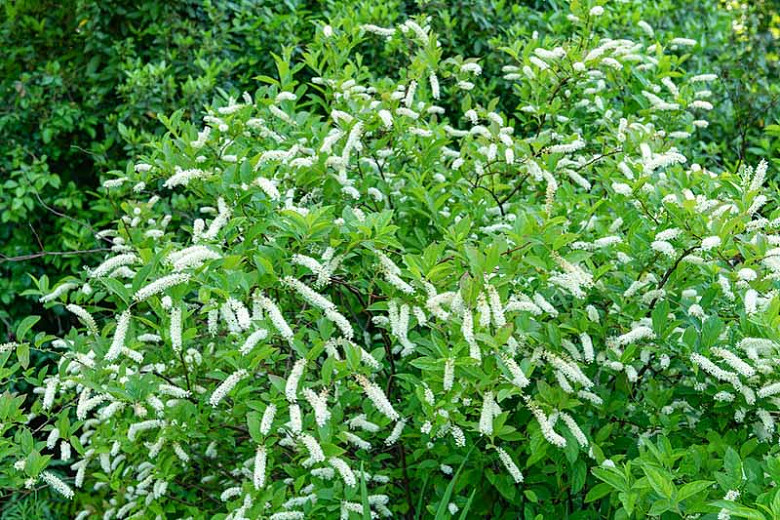
- Sweet pepperbush (Clethra alnifolia): This native shrub has fragrant white flowers that bloom in late summer. It is a good choice for a Carolina allspice companion plant because it will bloom at a different time of year, which will extend the flowering season in your garden. Sweet pepperbush also attracts butterflies and other pollinators.
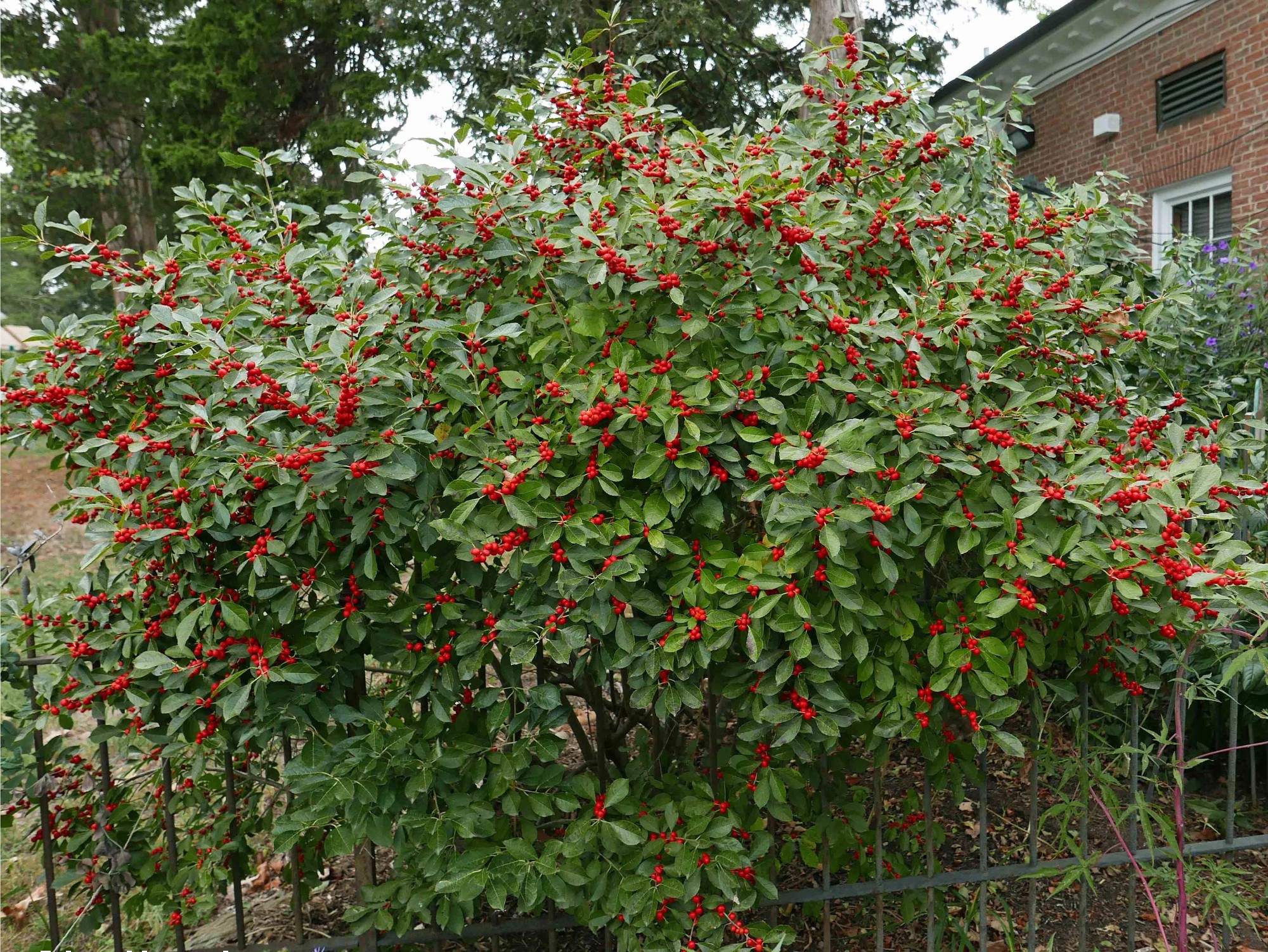
- Winterberry (Ilex verticillata): This deciduous shrub has bright red berries that persist into winter. It is a good choice for a Carolina allspice companion plant because it will provide winter interest in your garden. Winterberry also attracts birds, which will enjoy the berries as a food source.
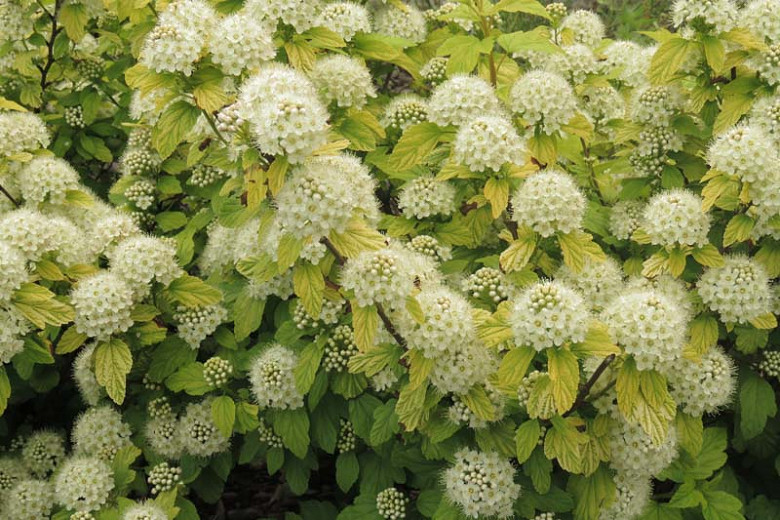
- Ninebark (Physocarpus opulifolius): This shrub has showy white flowers that bloom in spring. It is a good choice for a Carolina allspice companion plant because it will add height and interest to your garden. Ninebark also tolerates a wide range of soil conditions, so it is a relatively low-maintenance plant.
- Virginia sweetspire (Itea virginica): This native shrub has fragrant white flowers that bloom in spring. It is a good choice for a Carolina allspice companion plant because it will bloom at the same time of year and will attract the same pollinators. Virginia sweetspire also tolerates a wide range of soil conditions.
- Beautyberry (Callicarpa americana): This shrub has purple berries that persist into fall. It is a good choice for a Carolina allspice companion plant because it will provide fall interest in your garden. Beautyberry also attracts birds, which will enjoy the berries as a food source.


These are just a few ideas for companion plants that will work well with Carolina allspice. When choosing companion plants, it is important to consider the size, growth rate, and sun exposure requirements of each plant. You should also consider the colors and textures of the plants to make sure they will complement each other.
With a little planning, you can create a beautiful and fragrant garden by pairing Carolina allspice with the right companion plants.
Carolina allspice (Calycanthus floridus) is a beautiful and fragrant shrub that is native to eastern North America. It is known for its dark red, magnolia-like flowers that bloom in spring and its spicy, clove-like scent. Carolina allspice is a relatively low-maintenance plant that can be grown in full sun or partial shade. It is also tolerant of a wide range of soil types.
When choosing companion plants for Carolina allspice, it is important to consider the plant's size, light requirements, and soil preferences. Some good companion plants for Carolina allspice include:
- Sweet pepperbush (Clethra alnifolia): This native shrub has fragrant white flowers that bloom in summer. It is tolerant of full sun and partial shade and prefers moist, well-drained soil.
- Bottlebrush buckeye (Aesculus parviflora): This small tree has showy yellow flowers that bloom in spring. It prefers full sun and well-drained soil.
- American highbush cranberry (Viburnum trilobum): This shrub has white flowers that bloom in spring and red berries that mature in fall. It prefers full sun to partial shade and moist, well-drained soil.
- Virginia sweetspire (Itea virginica): This native shrub has fragrant white flowers that bloom in spring and blue berries that mature in summer. It prefers partial shade to full shade and moist, well-drained soil.
- Beautyberry (Callicarpa americana): This shrub has purple berries that mature in fall. It prefers full sun to partial shade and well-drained soil.
For more information about Carolina allspice companion plants, please visit Gardenia Inspiration.
FAQ of carolina allspice companion plants
Q: What are some good companion plants for Carolina allspice?
A: Carolina allspice is a versatile plant that can be companion planted with a variety of other plants. Some good options include:
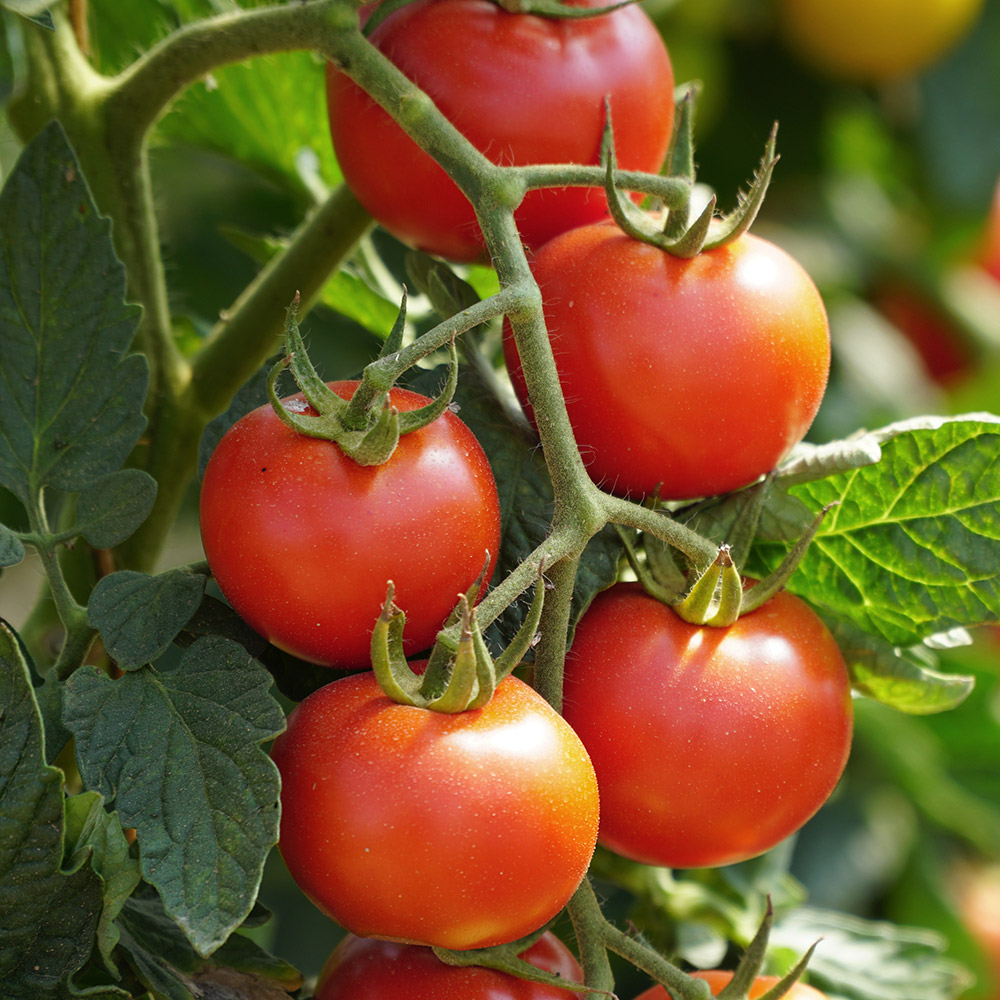
- Tomatoes: Carolina allspice can help to deter pests from tomatoes, such as tomato hornworms.
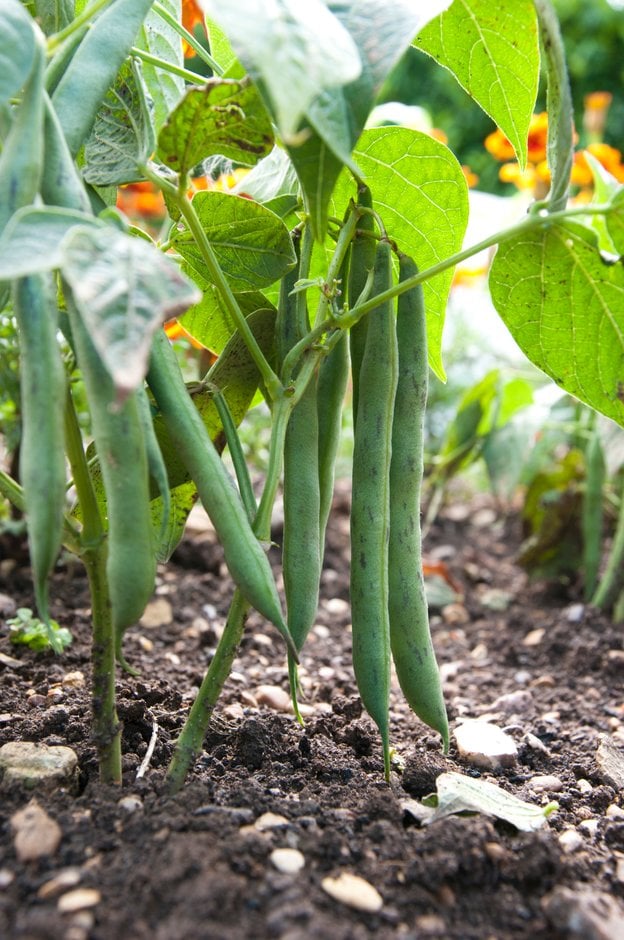
- Beans: Carolina allspice can help to improve the nitrogen content of the soil for beans.
-(2).jpg)
- Cucumbers: Carolina allspice can help to repel cucumber beetles from cucumbers.
- Herbs: Carolina allspice can be companion planted with a variety of herbs, such as basil, oregano, and thyme. These herbs can help to attract beneficial insects to the area, which can help to control pests.

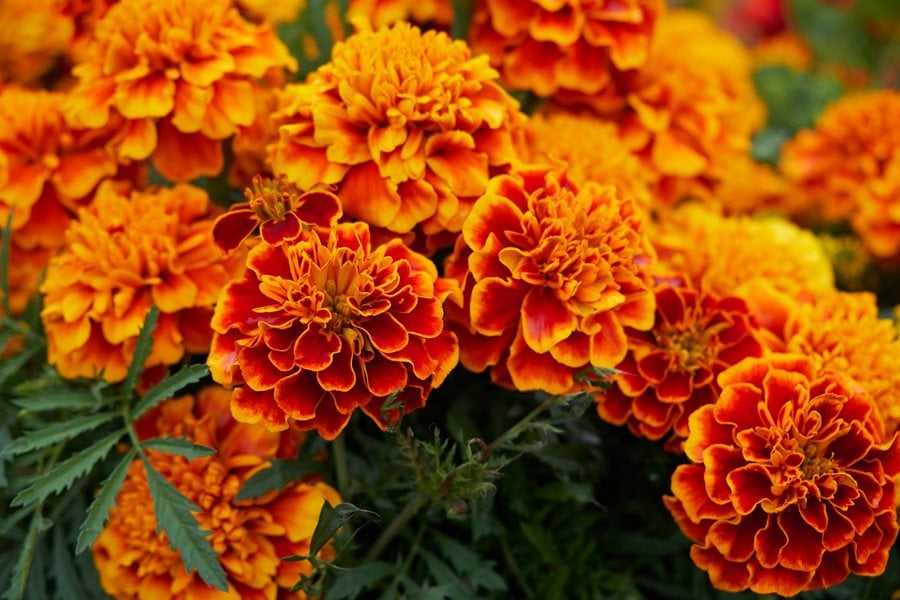
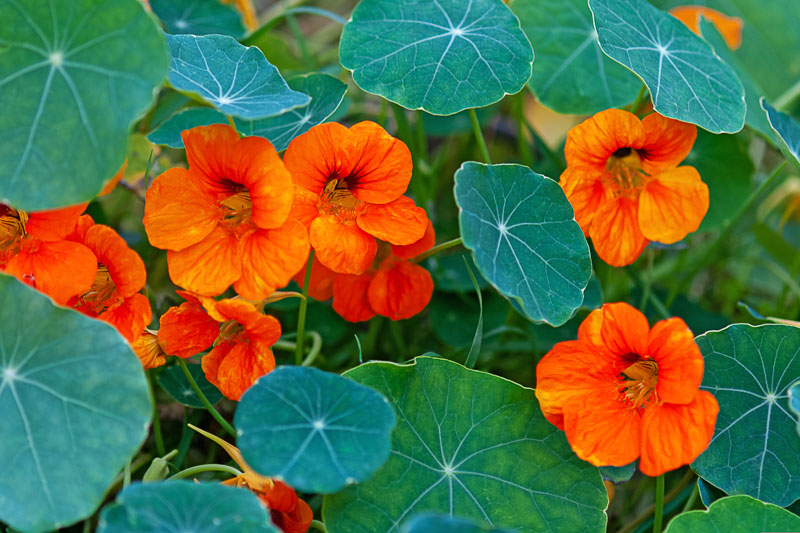
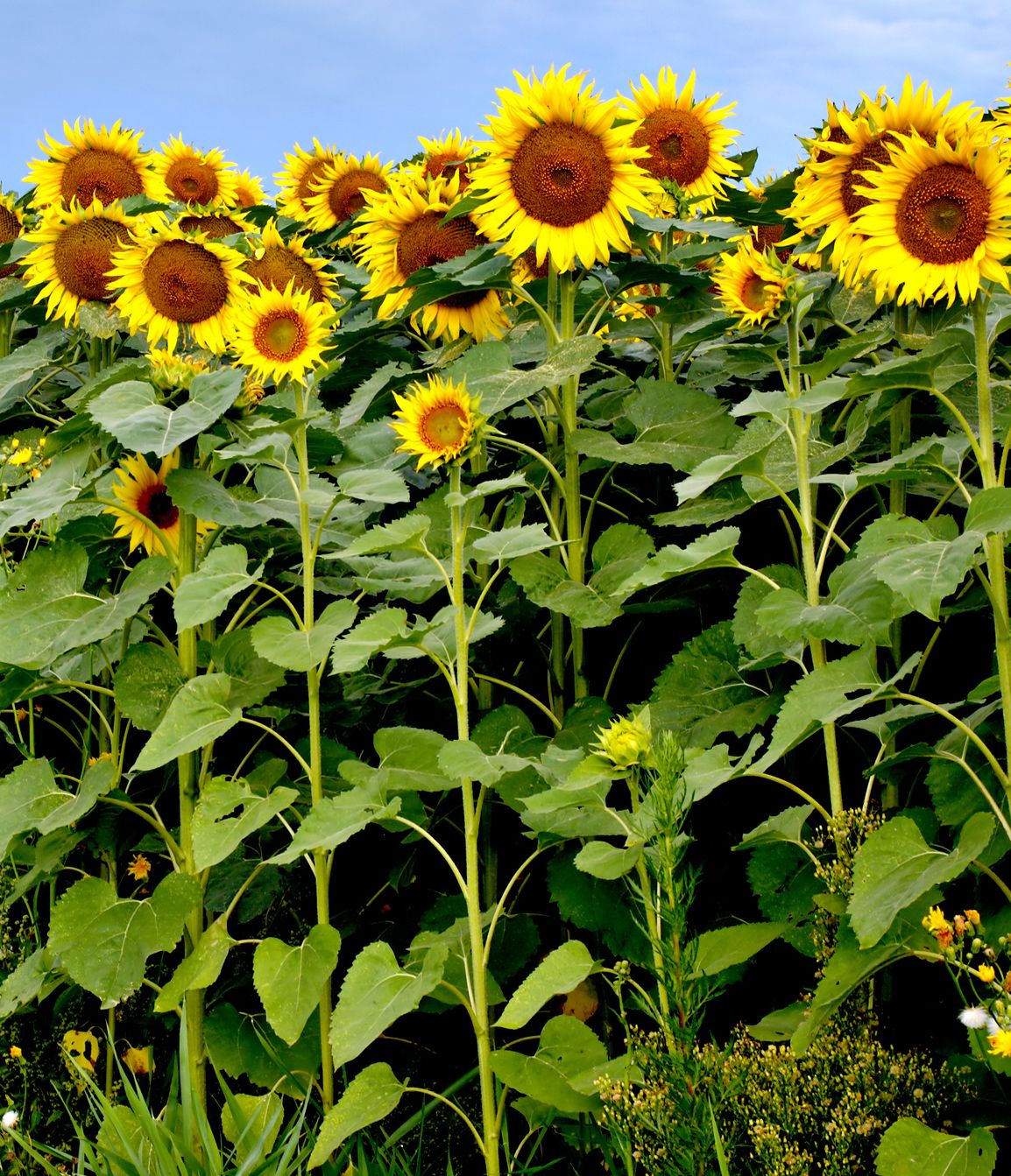
- Flowers: Carolina allspice can also be companion planted with flowers, such as marigolds, nasturtiums, and sunflowers. These flowers can help to attract pollinators to the area, which can help to improve the fruit production of the Carolina allspice.
Q: What colors do Carolina allspice flowers come in?
A: Carolina allspice flowers can come in a variety of colors, including dark red, maroon, brown, yellow, pink, and white. The color of the flowers can vary depending on the species of Carolina allspice and the climate in which it is grown.
Q: What are the benefits of planting Carolina allspice?
A: Carolina allspice has a number of benefits, including:
- Attracts pollinators: Carolina allspice flowers attract a variety of pollinators, such as bees, butterflies, and hummingbirds. These pollinators can help to improve the fruit production of other plants in the garden.
- Deters pests: Carolina allspice can help to deter a variety of pests, such as tomato hornworms, cucumber beetles, and spider mites.
- Improves soil quality: Carolina allspice can help to improve the nitrogen content of the soil. This can benefit other plants in the garden.
- Has medicinal properties: Carolina allspice has a number of medicinal properties. It has been used to treat a variety of ailments, including stomachache, diarrhea, and cough.
- Has a pleasant fragrance: Carolina allspice has a pleasant fragrance that can add to the beauty of the garden.
Q: How do I care for Carolina allspice?
Carolina allspice is a relatively easy plant to care for. It prefers full sun and well-drained soil. It should be watered regularly, especially during hot, dry weather. Carolina allspice does not require a lot of fertilizer. A light application of fertilizer in the spring will help to promote healthy growth.
Q: How do I propagate Carolina allspice?
Carolina allspice can be propagated by seed or by cuttings. To propagate by seed, sow the seeds in the spring in a well-drained potting mix. Keep the soil moist and the temperature warm. The seeds should germinate in about 2-4 weeks. To propagate by cuttings, take 6-inch cuttings from healthy plants in the spring or summer. Dip the cuttings in rooting hormone and plant them in a well-drained potting mix. Keep the soil moist and the temperature warm. The cuttings should root in about 2-4 weeks.
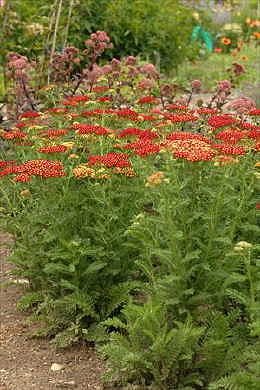
Image of carolina allspice companion plants
- Lantana is a colorful flowering shrub that attracts butterflies and hummingbirds. It can help to deter pests from Carolina allspice plants.
- Salvia is another flowering shrub that attracts butterflies and hummingbirds. It can also help to repel mosquitoes.

- Zinnia is a colorful annual flower that blooms in the summer. It can help to attract pollinators to Carolina allspice plants.

- Marigold is a brightly colored annual flower that blooms in the summer. It can help to repel pests from Carolina allspice plants.

- Verbena is a colorful flowering plant that blooms in the summer. It can help to attract pollinators and deter pests from Carolina allspice plants.

Post a Comment for " Carolina Allspice Companion Plants That Will Make Your Garden Sing"